





















Top AI Advancements to Watch in 2026
AI is entering a new phase of rapid evolution. As businesses, governments, and creators integrate smarter systems into everyday life, 2026 is shaping up to be a defining year for artificial intelligence. This article breaks down the most important AI advancements to watch — from next-gen multimodal models and autonomous robotics to breakthrough medical AI systems and global policy shifts.
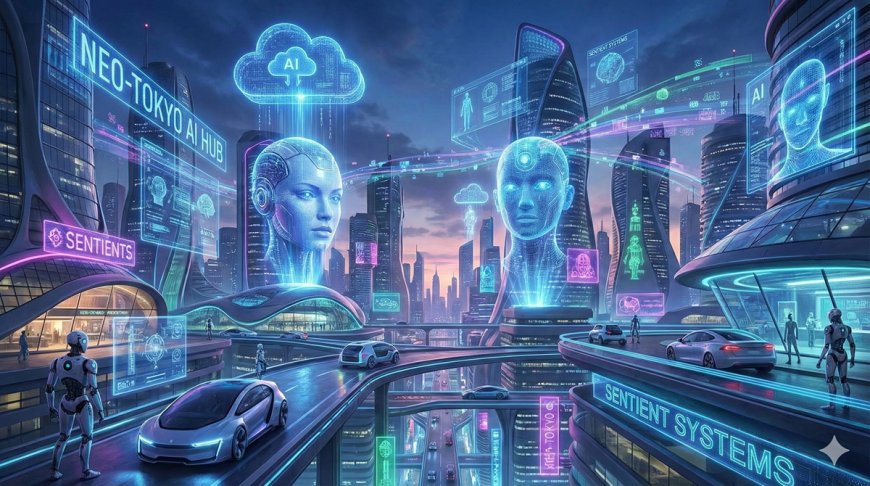
Artificial intelligence has entered the most accelerated phase of growth in its history. Over the past three years, we have seen generative models explode into mainstream adoption, autonomous agents begin to mimic real human workflows, and AI-driven robotics make leaps previously considered impossible. As we move toward 2026, experts predict we are approaching a new technological inflection point that will redefine how individuals, businesses, and governments operate.
Below, we explore the major AI advancements expected to shape 2026 — and why they matter.
1. Multimodal Generalist Models Become Standard
The most dominant trend heading into 2026 is the rise of multimodal AI, models capable of processing text, images, audio, video, and sensor data simultaneously. These systems are no longer experimental. They are becoming commercial standards.
The next generation of models is expected to operate far more like human assistants. They will understand context across multiple input types, interact with physical environments, analyze large datasets instantly, and reason through complex multi-step tasks. Most companies will transition from simple chatbots to these advanced digital workers.
By early 2026, multimodal models will power:
-
AI-first search engines
-
Autonomous research assistants
-
AI editors for video and media
-
Customer-service systems that understand tone, sentiment, and voice
-
Personalized teaching modules for students
-
Hybrid productivity agents that automate full workflows
This shift marks the beginning of a world where AI is no longer a tool — but a fully integrated system.
2. Autonomous AI Agents Enter the Workforce
One of the most disruptive changes of 2026 will be the deployment of autonomous, auto-improving AI agents into business environments. These agents are designed to perform multi-step tasks independently, without continuous human supervision.
A few examples include:
-
An agent that handles customer support tickets end-to-end
-
An AI accountant that tracks expenses, predicts cashflow, and generates financial reports
-
An HR hiring assistant that screens applicants, drafts interviews, and handles onboarding
-
A real estate agent that finds listings, negotiates prices, and completes paperwork
What makes 2026 unique is not the existence of these tools — but their maturity. AI agents will transition from experimental to reliable, scalable, and practical. Companies will increasingly rely on them to reduce operational costs and boost productivity.
3. Breakthroughs in Robotics and Embodied AI
Robotics is expected to experience its biggest leap yet, driven by new AI training systems known as embodied intelligence models. These models allow robots to learn from massive datasets of real-world interactions, similar to how large language models learn from text.
By 2026, we will see:
-
Home robots capable of cleaning, sorting, and assisting the elderly
-
Warehouse robots that adapt to new tasks without reprogramming
-
Delivery robots that navigate streets autonomously
-
Industrial robots powered by AI vision systems
The robotics sector will experience exponential growth as AI drastically reduces costs and increases reliability.
4. Medical AI Becomes a Standard Diagnostic Tool
AI’s impact on healthcare will become even more profound in 2026. Medical diagnostics powered by deep-learning models are expected to outperform traditional diagnostics in major illness categories, including:
-
Heart disease detection
-
Cancer screening
-
Neurological disorder identification
-
Eye and skin disease analysis
AI won’t replace healthcare practitioners — but it will empower them with faster, more accurate tools. Expect hospitals worldwide to adopt AI triage systems, robotic surgical assistants, and AI-driven treatment planning tools.
5. Global Governments Tighten AI Regulations
With the rapid growth of AI tools, governments are racing to implement safety frameworks. By 2026, most global economies will establish:
-
AI accountability laws
-
Data transparency requirements
-
Restrictions on deepfake creation
-
Security standards for model training
-
National AI oversight agencies
These regulatory changes are expected to shape how companies deploy AI products and how consumers interact with them. Businesses will need to adapt quickly to remain compliant.
6. Affordable AI Compute Changes the Industry
One of the biggest challenges in AI development has been the high cost of computing power. That is expected to change dramatically. Major tech companies and hardware manufacturers are working on:
-
Low-cost AI accelerators
-
Energy-efficient data centers
-
Specialized AI chips
-
Satellite-powered computing systems
The result? Cheaper, faster, and more accessible AI tools for everyone — including startups and small businesses.
7. AI in Education Reaches Full Personalization
2026 will be the year personalized education becomes mainstream. AI tutoring systems will tailor content to each student’s pace, style, strengths, and weaknesses.
Students will be able to:
-
Ask real-time questions across subjects
-
Generate personalized study paths
-
Receive guidance on assignments
-
Learn complex topics through interactive simulations
-
Practice languages with AI voice tutors
The future classroom will become a hybrid environment powered by AI support systems.
AI is evolving faster than most people realize. The advancements expected in 2026 are not just incremental improvements — they are foundational changes that will reshape industries and daily life. From robotics and healthcare to education and workforce automation, the next year will bring a wave of innovation that defines the next decade.
As the world prepares for this transition, one thing is certain:
2026 will be the year AI becomes fully woven into the global economy.